
The significance of Ramadan goes beyond just fulfilling religious obligations; it teaches valuable leadership skills that can be applied in all aspects of life. As the crescent moon graces our skies, it's not just a time for fasting and spiritual reflection – it's also an opportunity to unlock valuable lessons in leadership. Ramadan can reshape your approach to leading with compassion, resilience, and authenticity. Harnessing the power of self-discipline, empathy, and gratitude during this sacred time can elevate your leadership abilities like never before!
Ramadan isn't solely a month of spiritual devotion; it's also a period of self-reflection and growth. Its lessons mold us into more empathetic, disciplined, and productive leaders. In the following sections, we'll delve into specific leadership skills gleaned from various aspects of Ramadan.
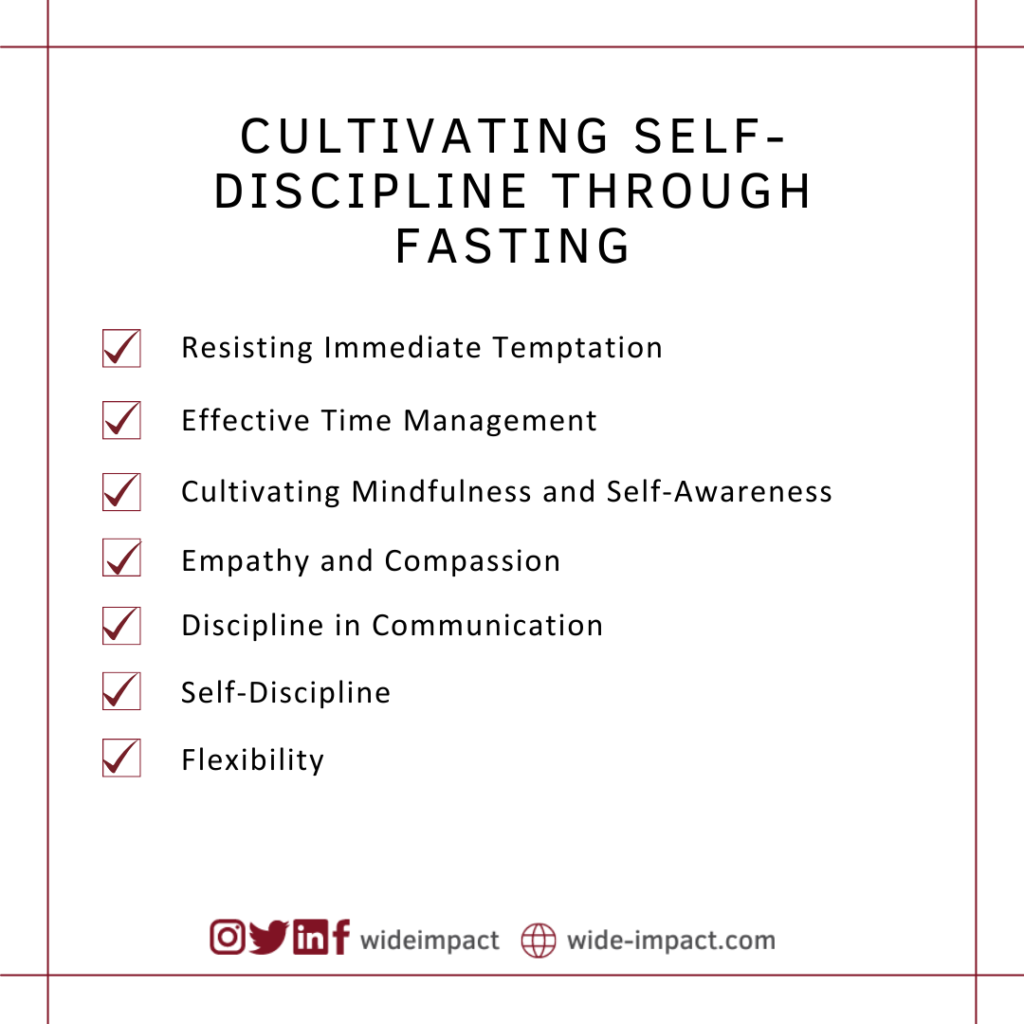
Cultivating Self-Discipline Through Fasting
One of the most valuable lessons Ramadan imparts is the art of harmonizing spiritual practices with daily responsibilities. The heart lies in prioritizing actions and managing time effectively.
During Ramadan individuals develop essential leadership skills such as delayed gratification, effective time management, self-awareness, empathy, and disciplined communication. These skills serve as pillars for leaders aspiring to inspire and motivate others towards collective success.
Ways to lead by example during Ramadan:
As leaders, it is essential for us to lead by example during this holy month and inspire those around us to do the same. This not only strengthens our own faith but also creates a positive impact on our communities.
Here are some ways in which we can lead by example during Ramadan:
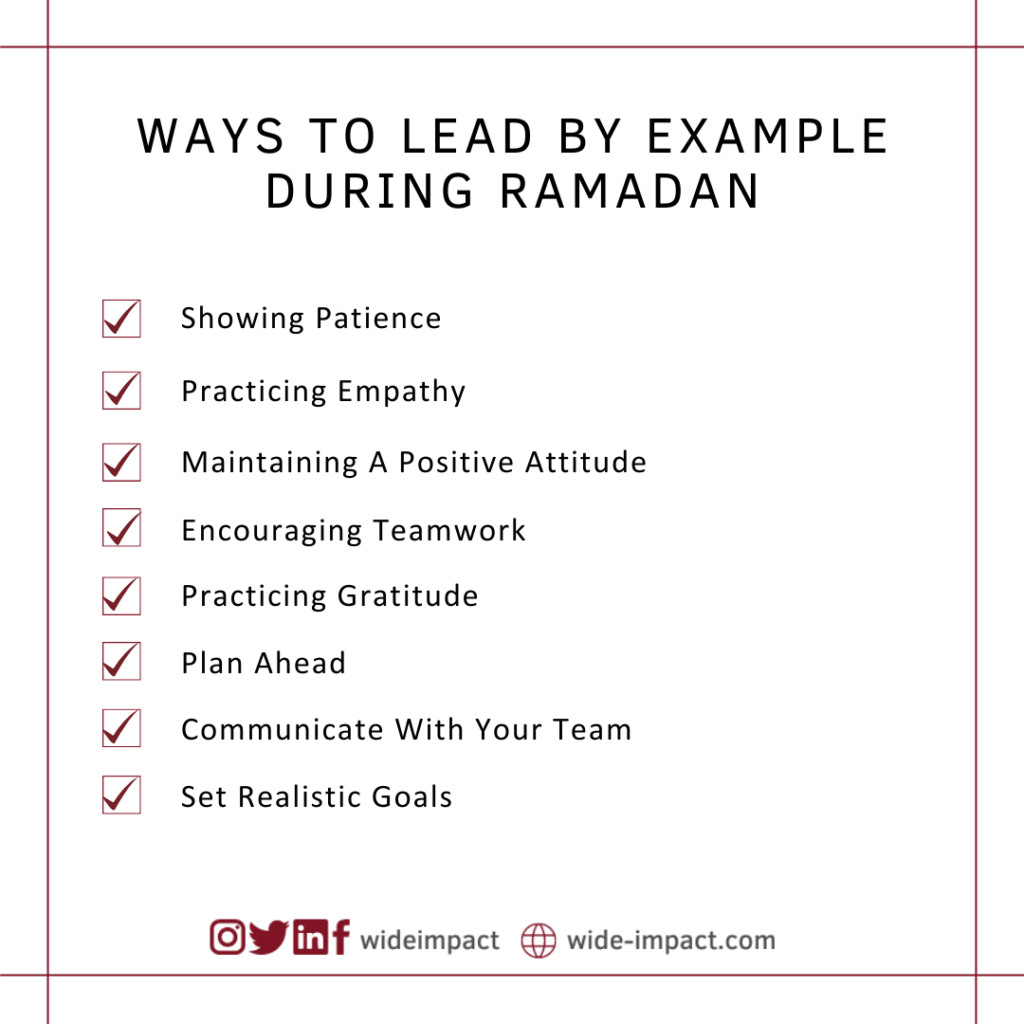
Showing Patience: Ramadan teaches us the value of patience and self-control. As leaders, it is crucial for us to demonstrate these qualities in our actions and behavior towards others. Whether it's dealing with difficult situations or handling conflicts with colleagues or team members, showing patience can set a positive example for others to follow.
Practicing Empathy: Fasting in Ramadan reminds us of the struggles that many people go through due to poverty or lack of access to basic necessities like food and water. As leaders, it is essential for us to practice empathy towards those who are less fortunate than us by giving back through charitable acts or volunteering at local organizations.
Maintaining A Positive Attitude: Ramadan can be physically challenging due to long hours of fasting and changes in daily routine. However, as leaders, we should maintain a positive attitude throughout this month despite any difficulties we may face. By staying optimistic and motivated, we can inspire those around us to do the same.
Encouraging Teamwork: Ramadan brings people together in worship and community service activities such as Iftar gatherings or feeding the needy at mosques or shelters. As leaders, we should encourage teamwork among our team members by involving them in such activities and emphasizing the importance of working together towards a common goal.
Practicing Gratitude: Ramadan is a time for reflection and gratitude towards Allah (SWT) for all the blessings in our lives. As leaders, we should express gratitude to our team members, colleagues, and employees for their hard work and dedication. This can create a positive work environment and motivate others to be grateful as well.
Plan Ahead: With altered schedules during Ramadan, it's important to plan your days effectively so that you have enough time for work, worship, and personal commitments without feeling overwhelmed.
Communicate With Your Team: Let your team know about any changes in your schedule or specific needs that arise due to fasting so they can support you better.
Set Realistic Goals: It's important to be realistic about what you can achieve during this month. Setting achievable goals for yourself and your team will help maintain motivation and productivity without overburdening yourself.
As we come to the end of the holy month of Ramadan, it is important to reflect on the impact this special time has on our personal growth and development. While it is primarily known as a time for spiritual reflection and devotion, Ramadan also offers valuable lessons in leadership that can benefit individuals in both their personal and professional lives. Through self-discipline, empathy, patience, introspection and teamwork, individuals can cultivate important qualities that will help them become more effective leaders in all aspects of their lives. Let us take these lessons with us beyond Ramadan and continue to strive towards becoming better leaders for our families, communities and workplaces.